Why You Need to Consider Using a Swim Team Dealer

Why You Need to Consider Using a Swim Team Dealer

Competitive Swimwear
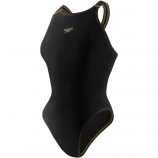
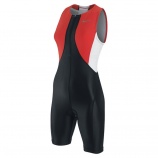
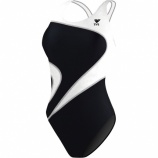
The right swim team dealer has a wide selection of swim team suits.

Swimmers need a lot of gear for their training, as well as for their participation in the sport in general. This is why it is so important to look for a swim team dealer to provide you with all the swim gear your entire team needs to be successful. While you can get everything you need from various locations, it is often best to find one place to get everything you need, from swim team suits to training tools.

Save Money

When you purchase all the swim gear your swim team needs in one place, you can often save plenty of money. A dealer who specializes in swim teams will often offer bulk discounts that will make it easier for your swimmers to afford the exact gear they need to swim well. This also reduces the strain on the team’s budget when purchasing the gear that is needed for the group, rather than individual swimmers.

Get the Biggest Names

There are certain names that carry the highest reputation in the swim industry. When you look for a swim team dealer who caters to swim teams, you will find they carry only the best names in swimming to ensure you get the right gear for your team. The swim team suits they carry are the most durable and provide swimmers with the perfect fit to move well through the water for faster speeds.

Customization

When it comes to your swim gear and swim team suits, you need to make sure you stand apart from the rest of your competitors. As you look for the perfect swim team dealer, you need to make sure they offer the customization options you need. A good dealer will offer both embroidery and screen printing to allow you to customize just about any item you need. If you look carefully, you may even be able to find a dealer who can perform the customization onsite to reduce wait times and give you the quality you are looking for.

Finding the right swim team dealer will ensure your team has everything they need. If you are getting everything you need from various suppliers, it is time to look for a dealer who can do it all. Finding one place through which you can get your swim team suits and everything else you need will save you time and money and give you the brands and customization you need to make your team successful.

Use Team Building Exercises for Your Swim Team

Use Team Building Exercises for Your Swim Team

Team Building
Swim teams can benefit from team building exercises.

When most people think of team building exercises, they think of businesses that use these exercises to create a sense of teamwork in the office. Even though swimming is largely an individual sport, with the exception of relays and team competitions, it is important to have a strong sense of team. The use of team building exercises can be a great way to help your swim team feel more unified to increase the likelihood of success.

Treasure Hunt

A treasure hunt is a common team building exercise that is used in many industries. You can tweak this exercise to use with your swim team. Split them up into smaller groups and leave sets of clues for them to follow to a prize. The team that is able to get through the treasure hunt first will be declared the winner. Through this exercise, your swim team will tap into their natural competitive spirit and will encourage them to work together to an end.

The Cup Game

This game can be easily played on the side of the pool before you begin practice or during a rest break. For this game, you will need half as many plastic cups as you have swimmers. Swimmers will pair off in teams and sit facing each other on the floor. Place a cup upside down at an equal distance between each swimmer. On cue, players attempt to grab the cup first. This exercise brings out the competitive spirit and enhances their reaction time, which can help them on the blocks.

Shipwreck

To set up this game, give your players the background of being on a wrecked ship with just enough room in the lifeboat for the entire team and 12 items. The team must then work together to create a list of 12 items. It is important for supervisors to encourage all players to have a say, but it is also useful for identifying who the natural leaders in the group are.

Team building may have its roots in the corporate office, but it is a useful tool for your swim team as well. Whether you need to get your team working together, you want to identify the leaders or you want to feed their competitive spirit, these games and others are great ways to get them started. The more your team works together, the more successful they will be.

Stay Warm Both In and Out of the Pool

Stay Warm Both In and Out of the Pool

Swim Gear
You don’t have to stay cold when you are a swimmer.

As the weather cools off, it can become more and more difficult to stay motivated for swimming in the pool. Whether you swim in an outdoor pool or the pool is inside, you can still encounter issues with feeling cold before you enter the pool and after you get out. These tips can help you stay warm in and out of the pool.

Dress Warmly

Some swimmers make the mistake of dressing lightly before heading to the pool, even in cold weather, so they don’t shock their bodies when they enter the cooler water. This is often a mistake. It is best to keep your body warm before you get in the pool and after you get out. A swim parka or other swim jacket can be a great option for those cooler days at the pool.

Keep Everything Close

While this isn’t possible during competitions, you should keep all your swim gear as close to the pool as possible during your workouts and practices. This allows you to easily access equipment without getting out of the pool and places your towel in easy reach when you are ready to get out. This will minimize the cold feelings you get going in and out of the pool.

Just Dive In

Don’t waste your time trying to get used to the water little by little. It may feel like a shock when you first dive in, but pushing off the inevitable will only prolong the col feelings. Once you are in the water, begin your warm-up exercises and just keep on going. Maintaining motion in the water will keep you from getting cold through your workout.

Downsize Rest Breaks

While every swimmer needs rest breaks, you shouldn’t take prolonged breaks. Keep in mind that chatting with teammates between laps and races count toward these rest breaks. The more time you spend sitting still, the colder you will feel.

Feeling cold is a normal part of the process when you are a swimmer. However, this doesn’t mean you have to settle for being cold. These tips are designed to minimize the chill you feel, both in the pool and when you get out. Prolonging the inevitable isn’t going to be much help. Instead, you need to get yourself motivated to keep moving and dress properly so you can enjoy those colder swims even more.

Swimmer’s Shoulder and How to Handle It

Swimmer’s Shoulder and How to Handle It

Competitive Swimming
Injuries are common in competitive swimming.

Swimmers are susceptible to many aches and pains that are associated with the stress of swimming. Even though swimming is generally easier on the joints than other forms of exercise, injuries can still occur. One of the common conditions that can occur for swimmers is known as swimmer’s shoulder. If you experience this type of injury, it is important to know what you can do to resolve it so you can continue swimming.

What Is Swimmer’s Shoulder?

Swimmer’s shoulder refers to pain and discomfort in the shoulder due to overuse. There can be many causes of this injury, making it difficult for some swimmers to avoid. It is important for all swimmers to familiarize themselves with the symptoms of the injury so they can take care of it right away. Some of the common symptoms of this ailment include:

  • Pain during or after working out in the pool.
  • Pain that affects shoulder movements.
  • Pain that keeps the swimmer from swimming altogether.

What Are the Causes?

While swimmer’s shoulder isn’t something that can be completely avoided, it is important to evaluate the causes so you can reduce the risks of developing this painful condition. In general, the condition is caused by repetitive motions and overworking the joint, often with swim training tools. The condition is called swimmer’s shoulder, but it typically has another underlying medical condition, such as:

  • Tendonitis
  • Instability
  • Impingement

This is why it is so critical for swimmer’s to see their trainer or doctor to treat the condition.

Treatments

The treatment for swimmer’s shoulder will vary depending on the severity of the injury and its underlying cause. In most cases, individuals must rest their shoulder and avoid exercise for a period of time. When it is time to start swimming again, swimmers must take it slowly and listen to their body. Overexertion is likely to aggravate the injury and cause pain.

Swimmer’s shoulder often results in pain for the swimmer, both during and after spending time in the pool. If you have begun experiencing pain in your shoulder, it is important to talk to your coach and see a medical professional so you can start down the road of healing. Once you understand this condition, you will be better able to identify the problem. Tackling the pain in its early stages will ensure a shorter recovery time.

Learn How to Restring Racing Lines Fast

Learn How to Restring Racing Lines Fast

Racing Lane Ropes
Replacing the cable in racing lane lines doesn’t have to be tedious.

The racing lane lines are an important element in a competitive swimming pool. Without these lines swimmers would not be able to keep a straight line and the currents created by other swimmers would interfere with each individual. These lane lines may need new ropes, though, or may require a replacement for a float. Learning to restring these lines quickly will save you time and effort.

Prep the Lane Line

The first thing you need to do is remove the racing lane line from the water and lay it out alongside the pool. Make sure it is as straight as possible. Remove any slack from the line so it will be easier to work with. It is also best to unreel the new rope to ensure it is easier to work with as you thread the new line through.

Fast Restringing

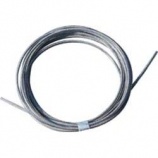
Once everything is ready to go, you will need to cut the old rope at a spot before the floats work. Take the end of the new cable and set it end to end with the old cable. Use clear packing tape to tape the two ends together. You can then move to the other end of the racing lane line and pull the old cable out, guiding the new cable through the floats. It is often best to have someone else nearby to ensure the spliced cables don’t become snagged and detach.

Replacing a Float

If you must replace a float while you are restringing the racing lane line, stop the taped ends just before you reach the pool float that must be replaced. Remove the tape, pull out the damaged pool float and thread the new pool float onto the cable. You can then tape the two ends back together and resume pulling the new cable through the rest of the floats.

Reattach the Ends

Once the old cable is completely removed and the new one is in place, you will need to reattach the connectors on the ends of the cables. Make sure you tie all knots securely so the lane markers do not break loose during a swim meet or practice.

Restringing pool lane lines can be one of the most frustrating maintenance jobs at the pool. However, when you follow these tips for faster restringing, you can have your pool back in operating condition in no time.

Turn Your Nerves into Positive Energy

Turn Your Nerves into Positive Energy

Competitive Swimming
It is perfectly normal to feel nervous before a race.

Feeling nervous is never a comfortable feeling, but this doesn’t mean it isn’t a perfectly normal feeling. Some people feel nervous before practices, while others only feel nervous before a big meet. No one wants to feel nervous, but if you don’t feel nervous, it can actually hinder your performance. Once you learn how to tap into the power of your nerves, you can turn these negative feelings into positive energy in the pool.

Understand It Is Normal

The first thing you need to do is understand that feelings of nervousness are completely normal. Whether you can tell that other competitors are feeling nervous or not doesn’t matter. Chances are every person who is about to dive into the water feels some level of nervousness. As soon as you are able to accept your nerves as completely normal, you can work on transforming them into a positive energy that can help propel you through the pool.

Focus on the Positive

Nervous feelings will drag you down if you continually focus on the negatives. For instance, if you spend your time before a race thinking about how you will feel if you lose and wondering if you will perform well, odds are you will perform poorly. Instead, you need to spend your time before the race visualizing a win for you. This will transform your nervous feelings into positive energy you can then use to swim your best. Nerves are the source of adrenaline so use it!

Use Breathing Exercises

Your coach has likely talked to you about breathing exercises before you enter a race. Breathing deeply and focusing your thoughts are great ways to enhance your performance in the water. If you aren’t feeling nervous, you are less likely to go through these breathing exercises. Without them, your focus won’t be entirely on your swimming, causing you to make mistakes and slowing you down.

While being nervous isn’t something anyone wants to feel, it can be extremely useful in your swimming meets. As long as you learn how to effectively transform your nervous energy into positive energy, you will find you swim much better and are more successful in your races. It’s all in thinking positively and helping you visualize the good so you can perform better than ever.

5 Reasons It’s Great to be a Swimmer

5 Reasons It’s Great to be a Swimmer

Swim Gear
Learn why swimming is beneficial to you.

If you enjoy swimming, you may continue to do so simply because it is something you love to do. However, there are some great reasons why it’s good for you to be a swimmer. When you learn these reasons, it will drive you to spend your time in the water over anything else.

Keeps You Healthy

Everyone knows that swimming can build muscles and help you get stronger. However, there are other ways in which swimming can keep you healthier. Regular swimming builds your metabolism, helping you keep your weight under control in and out of the pool. It also has benefits to your cardiovascular and mental health.

A Lifelong Bond

Whether you are part of  a swim team or you swim with the same people every time, you will build a strong bond. You may be able to bond with people while doing other activities, there is something about swimming that really draws people together.

Motivation and Goal Setting

Motivation and goal setting can be useful skills in life. Many swimmers learn to get up early in the morning to get their exercise in the pool. They are also known for setting goals for their day in the pool. When they are unable to meet those goals, they look closely at what went wrong and strive to overcome those challenges the next time around.

A Stress-Free Workout

Many workout options add stress because individuals are worried about whether they are doing the exercise right or they have to keep their minds on what they are doing. When you use swimming as a form of exercise, you take advantage of a stress-free workout. As you swim, you can clear your mind while you get the exercise your body needs to be healthy.

Perfect for Any Age

Swimming isn’t limited to the young, the old or those who are in between. Individuals of any age can take part in swimming, particularly on a recreational level. Parents can get children in the pool from the time they are infants. A pool is also a preferred method of exercising for the elderly because working out in a pool puts less stress on the joints.

Being a swimmer is a great thing! Whether you swim as a hobby or you do it competitively, there are many advantages. When you learn these advantages, you will enjoy spending even more time in the pool.

Reasons to Keep Swimming All Year Long

Reasons to Keep Swimming All Year Long

Swimming Tips
Swimming shouldn’t be limited to the summers only.

For many people, including those how participate in competitive swimming, swimming is a summer sport. Even though there are indoor pools, many people naturally associate the activity with warmer weather. In either case, though, it is important to keep up your swimming throughout the year. It doesn’t matter if you are a competitive swimmer or just enjoy the activity, year-round swimming is the best option.

An Easy All-Body Workout

Swimming is one of the easiest all-body workouts that can help you tone your muscles throughout your body. While some people jog and are otherwise more active in the warmer months, swimming in an indoor pool can be a great way to get the workout you are looking for throughout the year instead of limiting your exercise to the summer months.

Low Impact

Another issue many individuals, especially those who are older or inured, experience is the impact of exercise on their joints. Swimming and participating in water aerobics allows you to get the workout you desire without a heavy impact on your joints. This makes swimming an excellent alternative.

Cross Training

Even if you participate in weight training or other forms of exercise in the cooler months, swimming is a great way to cross train. Altering your exercise regiment will allow you to give certain muscles a rest and build your cardiovascular health as well.

Fewer Crowds

If you have ever been to a pool in the summer months, especially during open swim, you know what crowds can be like. You can barely move in the pool, let alone get the workout you desire. While some people will still go to the pools in the cooler months, the crowds will be much less, allowing you to take full advantage of the pool.

Maintain Your Body Shape

Many people work hard in the spring to get their bodies back in shape for the pool or beach. If you have been swimming all year, you won’t have to become involved in this rush. You will already be in the perfect shape for swimming.

If you are the type of person who categorizes swimming as a summer activity, it is time to think again. With the cooler months approaching, it is time to hit some indoor pools and keep up your exercise so you can stay in shape throughout the year.

How to Properly Size Competitive Swimwear

How to Properly Size Competitive Swimwear

Competitive swimwear may look like many of the other swimsuits that are available in your average store. However, these suits are often quite different, made in different styles with different materials that are designed to enhance a swimmer’s movements in the water. These suits also typically provide more coverage than the suits you can buy in any department store. Because competitive suits are built differently, you need to learn how to properly size one.

Measure Yourself

Measuring for competitive swimwear is quite easy for most swimmers. Men should measure their waist and their hips to get the proper fit. Women must measure their waist and hips, as well as their bust, to ensure the right fit in their swimwear. Once you know your measurements, you will need to retake them each year to accommodate any changes in your body.

Use Size Charts

Every brand of competitive swimwear has its own sizing chart to use. If you wear one size in one brand, don’t assume you will wear the same size in all brands. Many of the best brands are similar in size, but it is best to make sure you are matching up your measurements to the right chart so you can be sure of the proper fit.

Order Up

Competitive Swimwear
Choosing the right competitive swimwear is essential to your success.

Many swimmers don’t fit perfectly into one size on a brand’s chart. When this happens, it is best to order a size up rather than a size down. While it may seem that the drag of the extra material would not be beneficial to swimmers, the effect is minimal. Wearing an uncomfortable suit that restricts your movement is much more detrimental to your swimming.

Try It On

Before you jump in the pool with your new competitive swimwear, make sure you try it on. If it doesn’t fit properly, it is best to exchange it for a different size. This can be complicated if you buy online, but it isn’t impossible. However, this is why you should always follow the right steps to reduce the chances of needing to return the suit.

Competitive swimwear fits much differently than typical swimwear, making it essential to learn how to get the right fit. Because you need freedom of motion and a good fit to be an effective swimmer, it is important to measure yourself regularly, compare your measurements to the sizing chart, order up if needed and try the suit on before you start to use it.

Tips for Beginning Open Water Swimming

Tips for Beginning Open Water Swimming

Open Water Swimming
Open water swimming requires different preparation tactics.

When most people think of swimming, at least of a competitive nature, they consider swimming in a pool, either indoors or outdoors. However, some competitive swimmers participate in open water swimming. This means different challenges. If you are just getting started in this growing area, there are certain tips you should follow.

Choose a Wetsuit

Instead of traditional competitive swimwear, those who swim in open waters must wear a wetsuit. This will protect against the cold waters and provide better coverage. Make sure you look for one that is specifically designed for open water swimmers.

The Right Goggles

The right goggles are also essential when you are swimming in open waters. Because you will be swimming outside, make sure you choose goggles that have reflective coating to cut back on the glare you experience.

Cold Water Conditioning

It is essential for individuals to condition their bodies for swimming in the cold open waters. When you are properly acclimated to the cold water, you reduce the risks of panic and hyperventilation when you swim.

Bright Swim Caps

When you are swimming in open water, visibility is of utmost importance. One of the best ways to make sure you are as visible as possible in the water is to wear a bright swim cap. Talk to your coach about the colors that are more likely to be seen.

Wear Two Caps

A large amount of body heat is lost through the head. Most people are aware of this in the winter months, but don’t realize it also happens in open water swimming situations. You can help retain your body heat by wearing two swimming caps at the same time.

Swim with a Buddy

Swimming in open water, especially during training, can be more dangerous than swimming in a pool. This is why it is so important to swim with a buddy at all times. In many cases, this will be your coach. However, if you practice at other times, make sure you bring someone with you.

Proper Body Maintenance

Open water swimming is a little different than pool swimming in the body maintenance you must perform. You should avoid shaving right before a race because salt water can irritate razor burn. You should also keep your fingernails short to avoid ripping your wetsuit or someone else’s as you swim.

Open water swimming is quite different than swimming in a pool. When you are first starting out, it is important to learn these tips and work with an experienced coach for the best results.